
Prof. Ammad Ahmad Farooqi from the Institute of Biomedical and Genetic Engineering (IBGE) in Pakistan delivered a guest lecture titled “Realizing the True Potential of Natural Products as Futuristic Pharmaceuticals for Cancer Treatment” at Beijing Normal-Hong Kong Baptist University (BNBU) as part of the Food Science Distinguished Lecture Series on December 1st, 2025. The session was moderated by Dr. Yanqin Tan, Assistant Professor of the Food Science and Technology Programme.
Prof. Farooqi is the head of the Signal Transduction and Crosstalk Research Group at IBGE and a leading scholar in molecular oncology and the pharmacological mechanisms of natural products and dietary bioactives. He has published more than 250 research articles, contributed over 30 book chapters, and served as editor for several authoritative scientific volumes. His outstanding scientific achievements earned him the Pakistan Council for Science and Technology’s National Scientific Achievement Awards in 2016 and 2017. Since 2019, he has been consistently listed among the “World’s Top 2% Scientists,” and he also serves as a reviewer for national research funding agencies in Switzerland and the Netherlands, as well as a consultant for pharmaceutical companies.
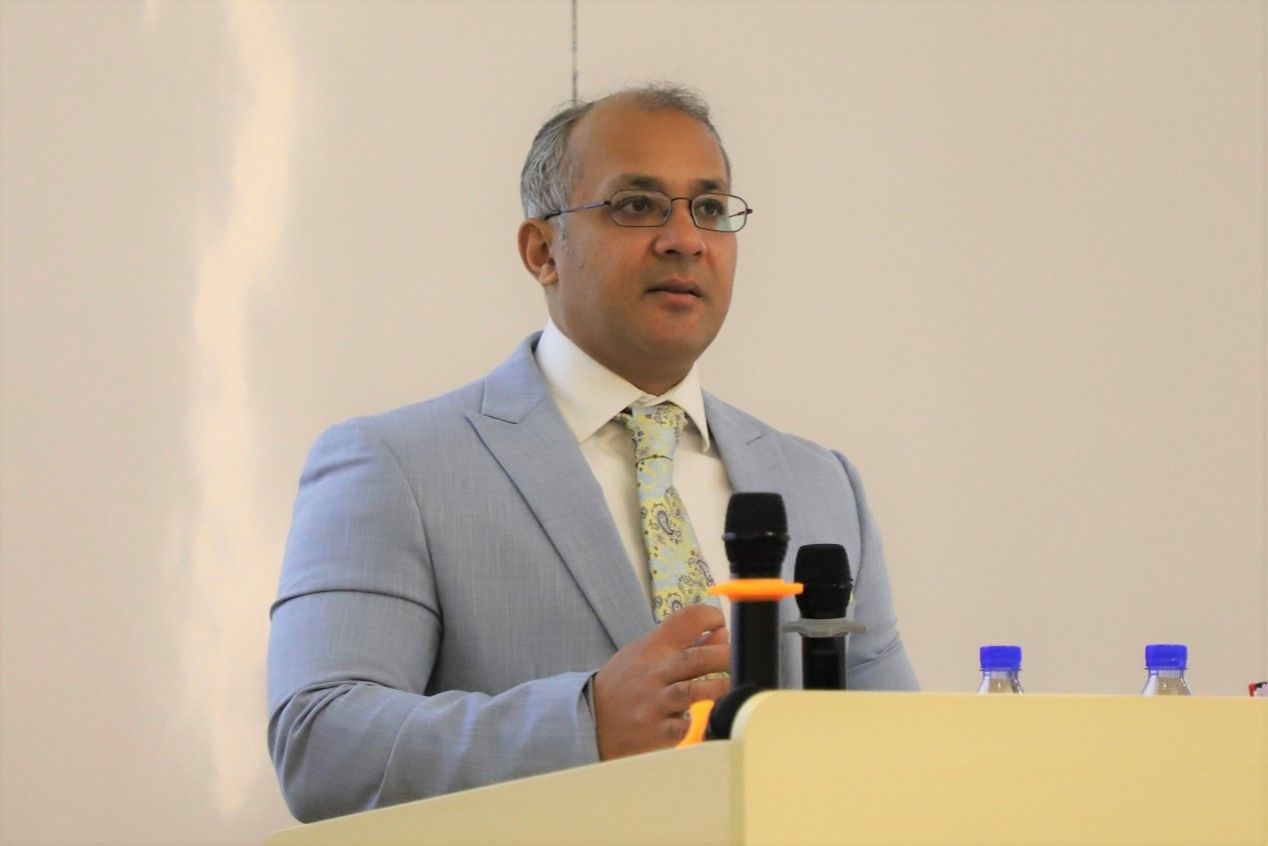
Professor Ammad Ahmad Farooqi
During the lecture, Prof. Farooqi began with the historical context of Nobel Prize–winning discoveries related to natural products, illustrating their enduring significance in modern drug discovery. Drawing on examples such as artemisinin, vincristine, paclitaxel, and camptothecin, he highlighted the vast potential of natural molecular libraries. He also outlined his team’s research progress over the past 15 years across breast cancer, pancreatic cancer, hepatocellular carcinoma, and glioblastoma models. Their work has explored how natural bioactive compounds regulate apoptosis and proliferation-related signaling pathways, supported by in vivo validation in mouse models. He emphasized that natural-product-based drug development is shifting from empirical screening toward mechanism-driven and precision-designed strategies, with the potential to enable safer and more effective multi-target cancer therapies.
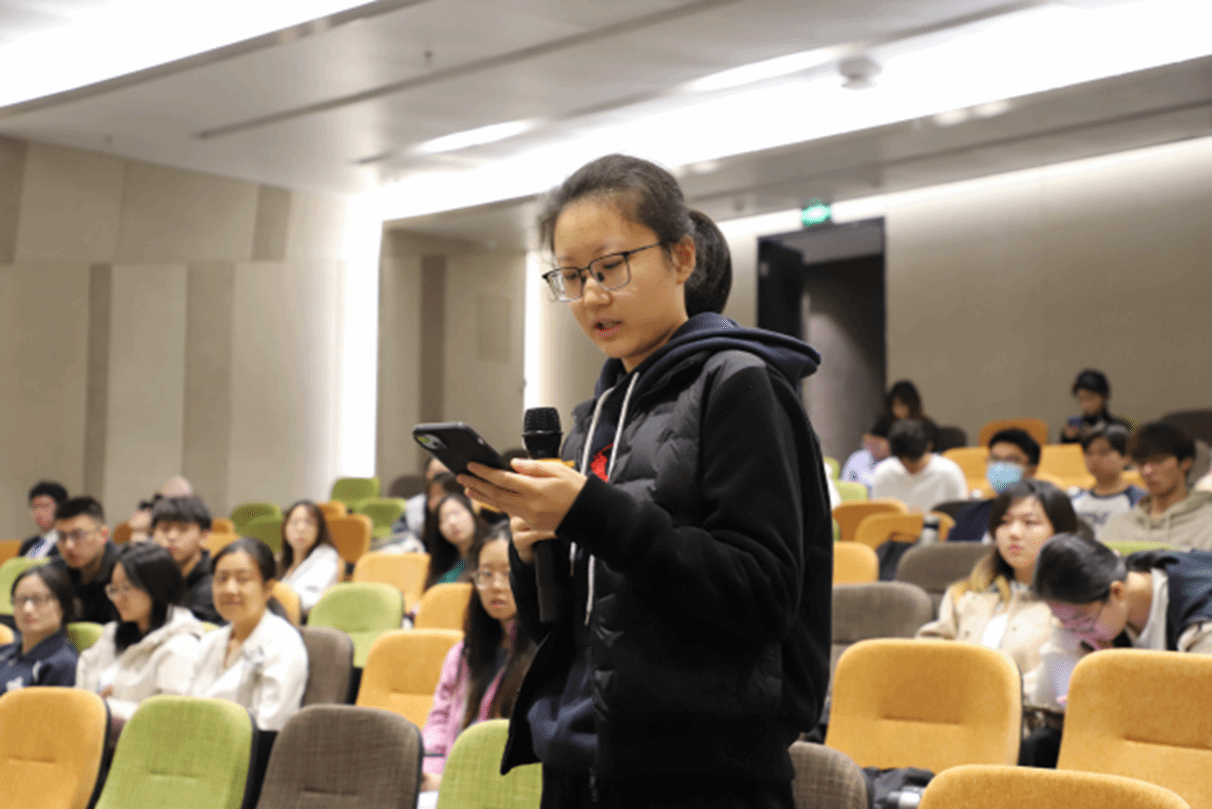
Student asking a question during the Q&A session
During the Q&A session, students and faculty raised questions about the mechanisms by which natural compounds induce DNA damage in cancer cells, factors contributing to variation in therapeutic efficacy, and the potential of combining dietary interventions with targeted therapies. Prof. Farooqi explained that certain natural compounds can modulate oxidative stress and disrupt DNA repair pathways, producing antitumor effects comparable to some chemotherapeutic agents. He also noted that the bioactivity of natural compounds can vary with factors such as ripening and storage conditions, and that combination therapies are often adopted clinically to achieve synergistic effects while reducing toxicity. He further commended students' interdisciplinary perspective on nutrition and cancer treatment, recognizing the unique contributions that food science can bring to studies of metabolism and disease.
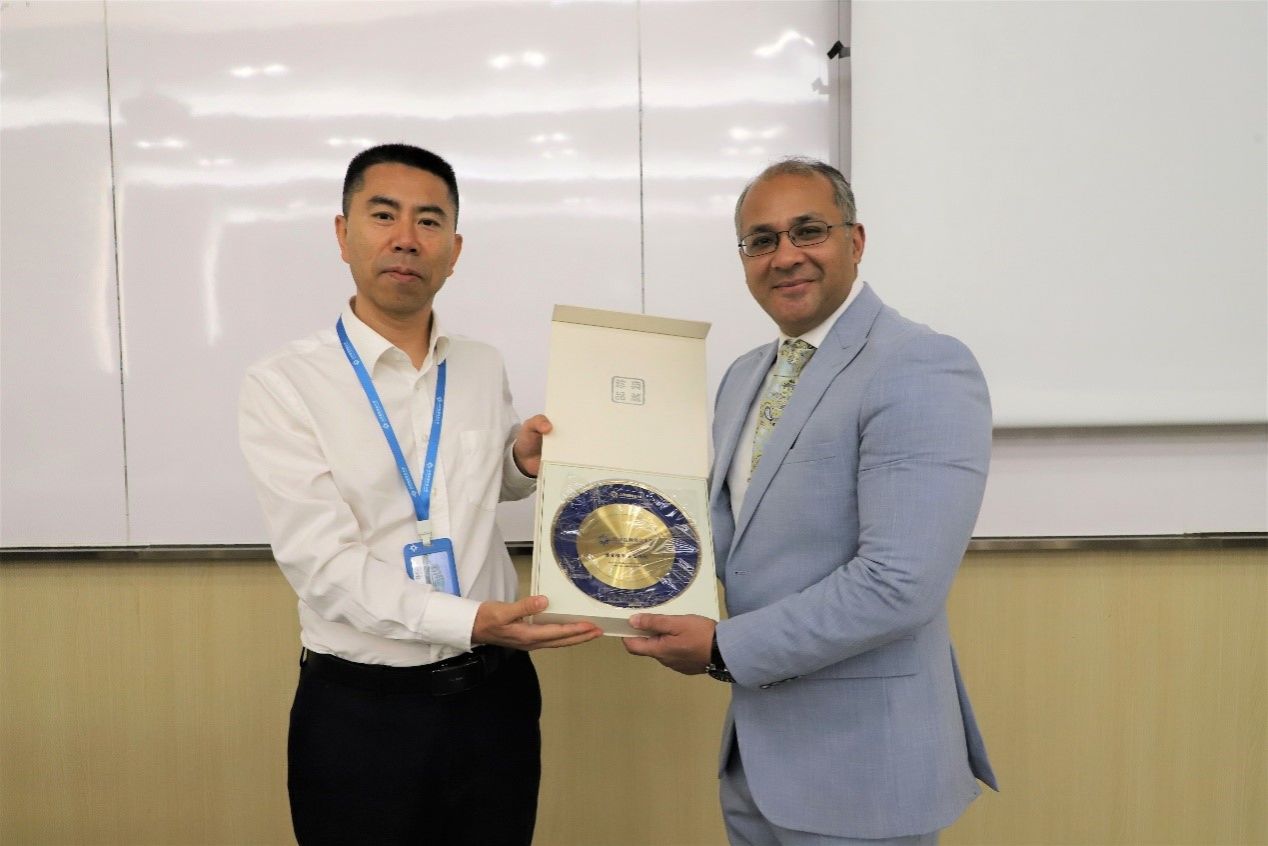
Prof. Baojun Xu presents a BNBU souvenir to Prof. Farooqi
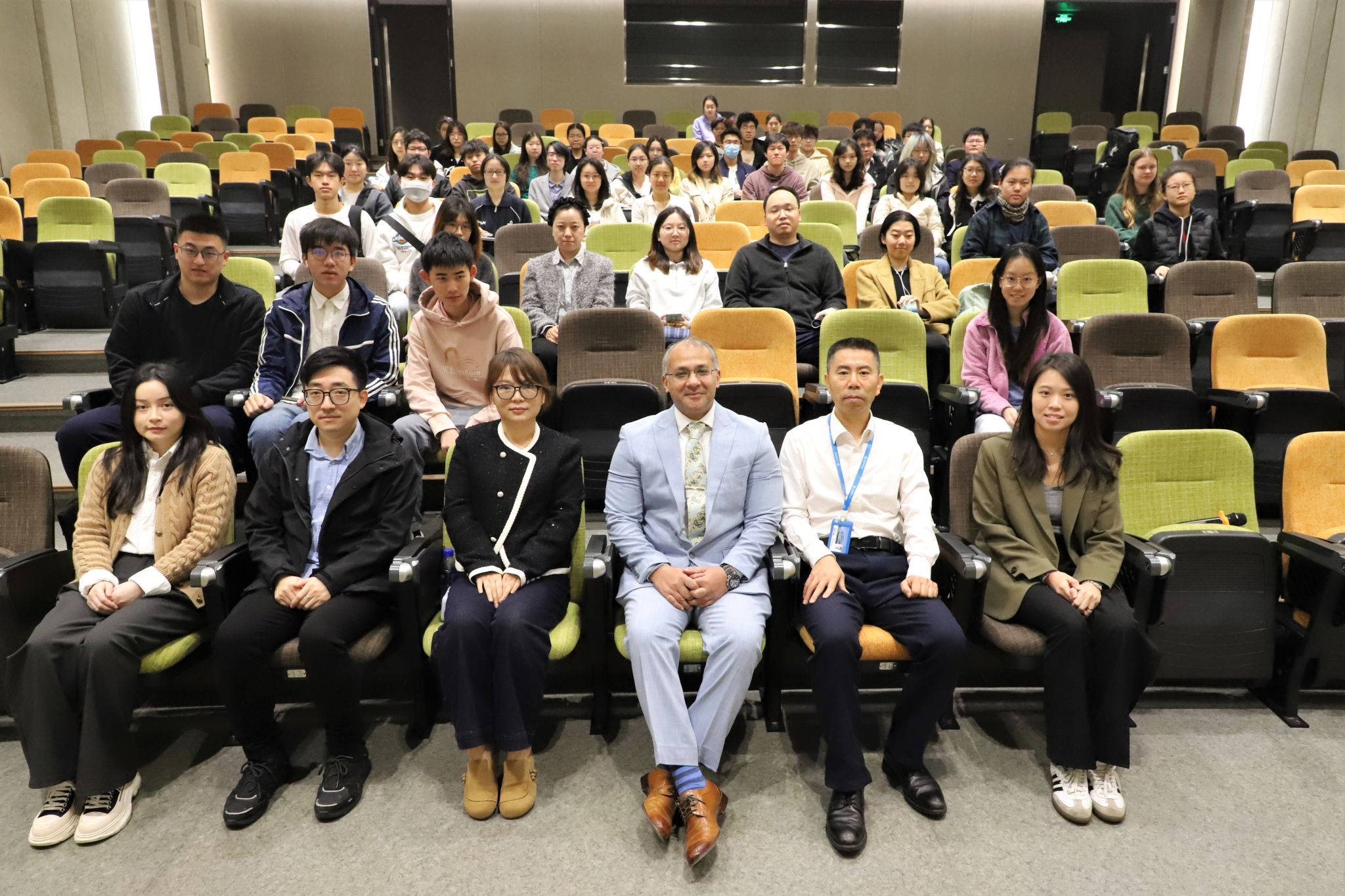
Group photo with faculty members and students
At the conclusion of the event, Prof. Xu Baojun, Head of the Department of Life Sciences, presented a BNBU souvenir to Prof. Farooqi and joined him for a commemorative photo. The lecture enriched participants’ understanding of the mechanisms and research trends of natural products in cancer treatment, providing valuable inspiration for future study and research.
From DLS

